
Research groups at the Department of Chemistry and Pharmacy
Prof. Julien Bachmann (Ph. D.)
Chair of Chemistry of Thin Film Materials
Professors
Address
Contact
Section
Materials Chemistry
Research areas

Molecular materials: Energy
Nanostructured interfaces for charge transfer
Extremely thin absorber solar cells
Electrocatalysis and photoelectrocatalysis
Solar batteries
Thin functional coatings: semiconductors, catalysts

Molecular materials: Information
Atomic layer processing: designer reagents for precision solid deposition

Molecular materials: Sustainability
Atomic layer processing: precision solid deposition in mild conditions
Atomic-layer additive manufacturing
Member of:
Prof. Dr.-Ing. Marcus Bär
Professorship for X-ray Spectroscopy (HIERN)
Professors
Contact
Section
Physical Chemistry
Research areas
Molecular materials: Energy
Energy storage (Li- and Li-free batteries, [green] hydrogen/fuel production)
Energy conversion (single- and multijunction solar cells, [SOFC, PEM] fuel cells
Molecular materials: Sustainability
New catalyst concepts (SCALMS, thin-film catalysts)
Prof. Dr. Nicolai Burzlaff
Professorship for Inorganic Chemistry
Address
Contact
Section
Inorganic Chemistry
Research areas
Molecular materials: Energy
Redox mediators for dye-sensitized solar cells (DSSCs)
Carbon-rich organometallic complexes
Molecular materials: Sustainability
Metal-organic frameworks (MOFs) for atmospheric water harvesting (AWH)

Molecular materials: Life science
Isopenicillin N Synthase
2-Oxoglutarat abhängige Eisenenzyme

Bioactive compounds: Compound discovery
Isopenicillin N Synthase
2-oxoglutarate dependent iron enzymes

Bioactive compounds: Bioanalytics
Powder X-ray diffraction (PXRD) of kidney stones
Member of:
Prof. Dr. Andrea Büttner
Chair of Aroma and Smell Research
Address
Contact
Fraunhofer IVV: https://www.ivv.fraunhofer.de/de/ueber-uns/institutsleitung/andrea-buettner.html
Section
Food Chemistry
Research areas
Bioactive compounds: Compound discovery
Chemosensory substances
Molecular communication compounds
Structure-based stimuli design
Sustainable consumption

Bioactive compounds: Mechanisms and targets
Biotransformation and metabolization
Sensory mechanisms
Neurotropic effects
Chemosensory effects
Bioactive compounds: Bioanalytics
Chemosensory stimuli
Contaminants and toxicants
Metabolization
Humansensory evaluation
Member of:
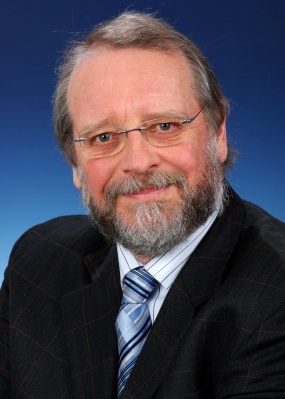
apl. Prof. Dr. Timothy Clark
Faculty of Sciences
Adjunct professors
Address
Contact

Dr. Ryan Crisp
Chair of Chemistry of Thin Film Materials
Address
Contact
Section
Materials Chemistry
Research areas
Molecular materials: Energy
Nanomaterials for solar-to-X
Molecular materials: Sustainability
New optoelectronics development with non-critical materials
Photochemical degradation mechanisms of PFAS
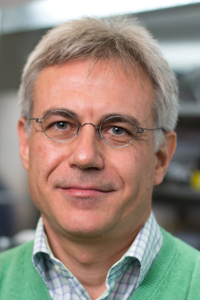
Prof. Dr. Romano Dorta
Professorship for Inorganic Chemistry
Address
Contact
Section
Inorganic Chemistry
Research areas
Molecular materials: Energy
‘Green’ hydrogen for the synthesis of value-added products
‘Green’ CO for e-fuels via low-temperature rWGS
Molecular materials: Information
Catalytic methods for the multiplication of chirality
Molecular materials: Sustainability
Catalysis with soluble metal complexes
Activations of specific bonds and small molecules
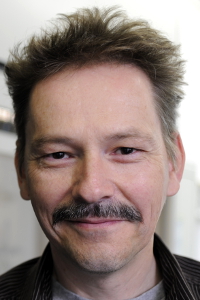
Prof. Dr. Thomas Drewello
Professorship for Physical Chemistry
Contact
Section
Physical Chemistry
Research areas
Molecular materials: Energy
Thermochemistry of molecular bonding
Reaction mechanisms in the gas phase
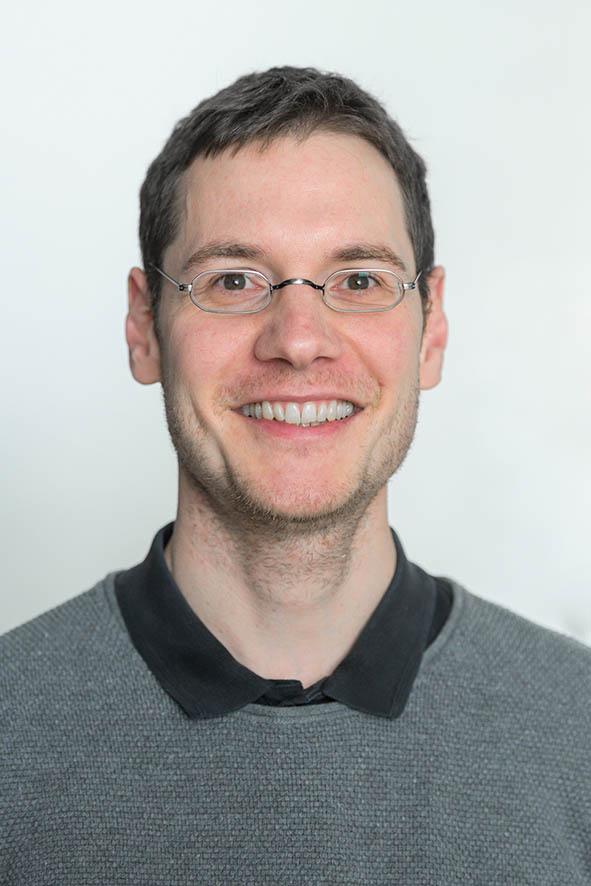
Prof. Dr. Henry Dube
Chair of Organic Chemistry I
Address
Contact
Section
Organic Chemistry
Research Area

Molecular materials: Energy
Molecular machines
Photochemistry

Molecular materials: Information
Molecular photoswitches
Molecular computing
Responsive Supramolecular Chemistry

Molecular materials: Sustainability
Recycling of Photochromes
Molecular materials: Life Science
Photopharmacology
Member of:
Prof. Dr. Jutta Eichler
Professorship for Medicinal Chemistry
Address
Contact
Section
Pharmaceutical Chemistry
Research areas
Molecular materials: Life science
Chemo-selective ligation strategies for proteins
Peptide chemistry

Bioactive compounds: Compounds discovery
Structure-based design of antiviral peptides
Member of:
Prof. Dr. Rainer Fink
Professorship for Physical Chemistry
Address
Contact
Section
Physical Chemistry
Research Area
Molecular materials: Energy
Nanoanalytics of photoabsorbers
Molecular materials: Information
Organic electronic devices
Molecular materials: Sustainability
Natural fibers
Member of:
Prof. Dr. Dagmar Fischer
Chair of Pharmaceutical Technology and Biopharmacy
Address
Contact
Prof. Dr. Dagmar Fischer, a licensed pharmacist with diploma in pharmacy, completed her studies in pharmacy at the University Würzburg and her doctorate and habilitation at the University of Marburg in the field of pharmaceutical technology and biopharmacy. During her habilitation, she joint the Texas Tech University Health Sciences Center, TX, USA. From 2004-2008 she was active as Head of Preclinical Research and Development at Antisense Pharma GmbH. From 2008 to 2020, she was Professor for Pharmaceutical Technology and Biopharmacy at the University Jena, and since 2020 Chair for Pharmaceutical Technology and Biopharmacy at the Friedrich-Alexander-Universität Erlangen-Nürnberg. She is a member of numerous advisory boards and executive committees in academia and industry, was the president of several societies such as the German Pharmaceutical Society (DPhG 2020-2023), and is a full member of the Akademie gemeinnütziger Wissenschaften zu Erfurt. Prof. Fischer is a PI with more than 30 years of experience in the field of polymer-based nanocarriers for pharmaceutical applications in national and international collaborations, and the author and editor of several books. Her research activities were honored with several awards.
Dagmar Fischer on Researchgate
Dagmar Fischer on Google Scolar
Section
Pharmaceutical Technology and Biopharmacy
Research Area

Bioactive compounds: Bioanalytics
Micro- and nanosystems for targeted drug delivery
Polymers and lipid for drug delivery
The life-cycle of drug delivery systems

Bioactive compounds: Formulation
Micro- and nanosystems for targeted drug delivery
Polymers and lipid for drug delivery
The life-cycle of drug delivery systems
Molecular materials: Life Science
Drug delivery in inflammation, infection and aging
Molecular materials: Sustainability
Safe and sustainability-by-design concepts in pharmacy
Sustainable, natural and renewable materials as excipients and drugs
Sustainable manufacturing for pharmaceutical formulations
Member of:
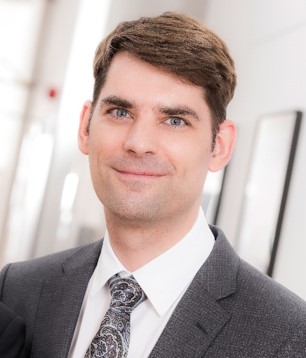
PD Dr. Henning Gieseler
Contact
Section
Pharmaceutical Technology and Biopharmacy
Research areas
Bioactive compounds: Formulation
Formulation of peptides for parental delivery (radiopharmaceutical therapeutics)
Formulation of therapeutic proteins for parental delivery
Nanoparticles, liposomes, etc. for parenteral delivery
Novel exipients for parenteral use
Molecular materials: Life Science
Process Analytical Technology (PAT)
Manufacturing science with focus on freeze drying
Packaging material and quality control
Molecular materials: Information
AI in parmaceutical manufacturing and corresponding analytics (quality control)
Member of:
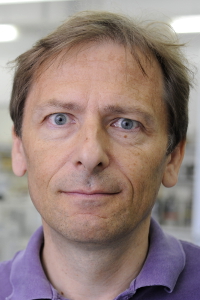
Prof. Dr. Peter Gmeiner
Chair of Medicinal Chemistry
Address
Contact
Section
Pharmaceutical Chemistry
Research areas
Bioactive compounds: Bioanalytics
Cryo-EM structures
MD simulations
Bioactive compounds: Compound discovery
Structur-based drug design
Lead compound optimization

Bioactive compounds: Mechanisms and targets
In vitro functional investigations
Member of:
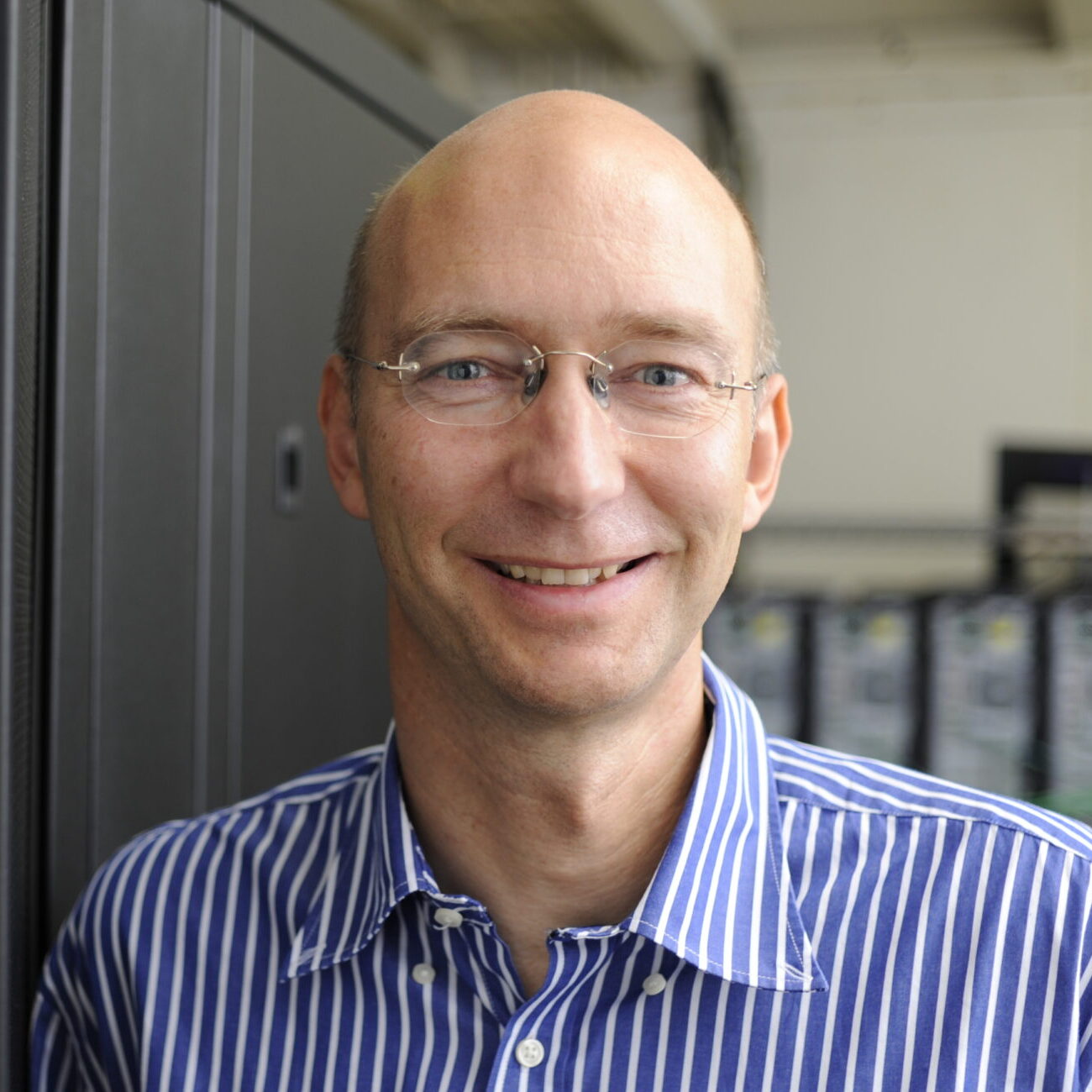
Prof. Dr. Andreas Görling
Chair of Theoretical Chemistry
Address
Contact
Section
Theoretical and computer chemistry
Research areas
Molecular materials: Energy
Novel materials for solar energy conversion
Chemical energy storage (LOHC and MOST systems)
Molecular materials: Information
2D-materials (structure formation, electronic and magnetic properties)
Molecular information storage
Molecular materials: Sustainability
New catalyst concepts based on liquid metals and ionic liquids
Member of:
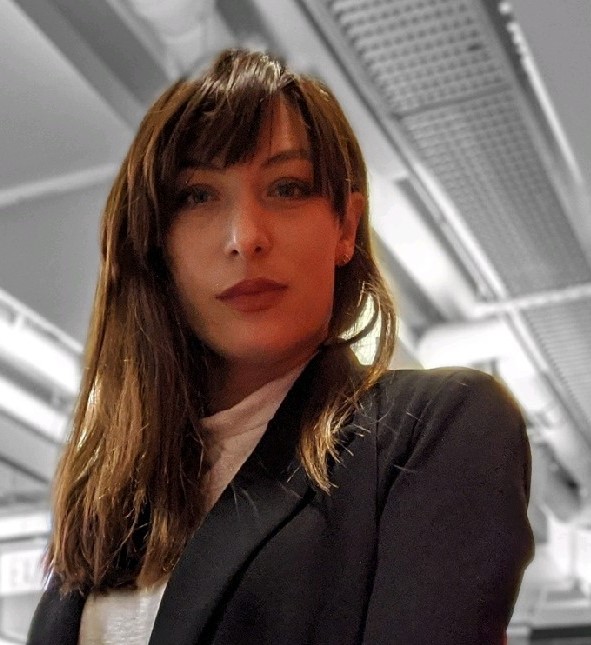
Prof. Dr. Danijela Gregurec
Professorship for Sensory Sciences
Address
Contact
Section
Research areas
Molecular materials: Energy
Magnetic nanomaterials for conversion of magnetic field energy to thermal, electrical and mechanical energies
Molecular materials: Information
Wireless communication with cellular signalling activities through magnetic nanoantennas
Molecular materials: Life science
Functional biomaterials with translational potential in therapeutic applications
Bioactive compounds: Mechanisms and targets
Mechanistic studies of cell and protein-targeted stimulation of cellular signaling in vitro
In vivo wireless neuromodulation in rodent models
Member of:
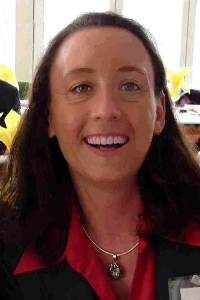
Prof. Dr. Franziska Gröhn
Professorship for Molecular Nanostructures
Address
Contact
Section
Physical Chemistry
Research areas
Molecular materials: Energy
Cryo-EM structures
Novel multi-component materials for solar energy conversion through self-assembly
Photocatalysis
Structure-function relationships of novel nano-objects
Molecular materials: Information
Light-switchable nanosystems
Ultrasound-triggering
Particle shape as information storage
Multi-switchable nanostructures through self-assembly
Molecular materials: Life science
Developing novel concepts for triggerable drug delivery with supramolecular nanoparticles
Interaction of proteins and peptides with other molecules
Nanostructure characterization of bio and biomimetic systems
Molecular materials: Sustainability
Developing principles for the defined synthesis of quantum dots and metal nanoarticles in water at room temperature
Selective photocatalysis in aqueous environment
Recycable structures through self-assembly
Making new structures and functions through self-assembly without the need for extended organic synthesis
Member of:
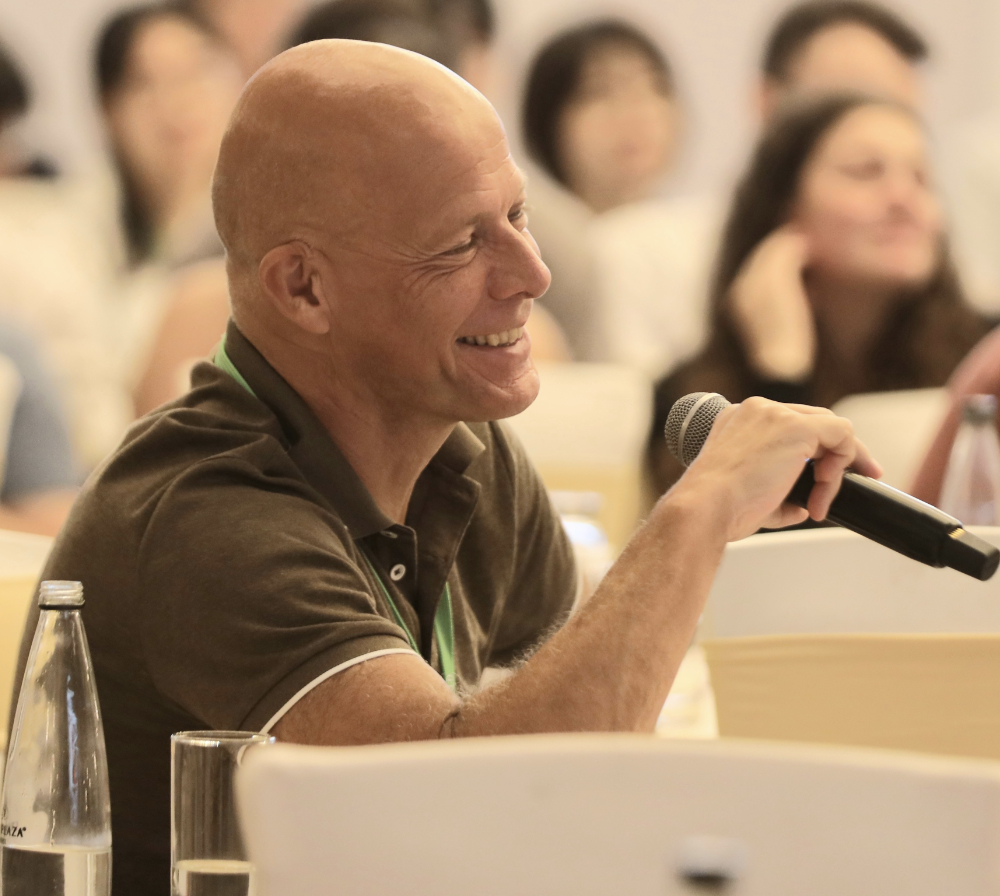
Prof. Dr. Dirk Michael Guldi
Chair of Physical Chemistry I
Address
Contact
Section
Physical Chemistry
Research Area
Molecular materials: Energy
Solar energy converison schemes
Molecular photon management
Molecular charge management
Molecular materials: Information
Photo-switching
Redox-switching
Molecular receptors
Molecular materials: Sustainability
Photo-redox catalysis
Energy-transfer catalysis
Water splitting
Carbon dots from waste
Member of:
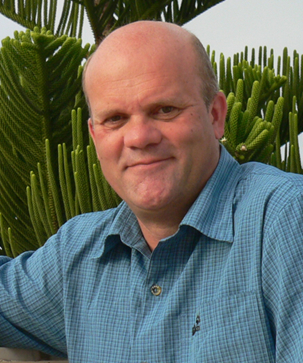
Prof. Dr. Sjoerd Harder
Chair of Inorganic and Organometallic Chemistry
Address
Contact
Section
Inorganic Chemistry
Research areas
Molecular materials: Energy
Development of novel heterogeneous catalysts for the storage of hydrogen
Development of fluorine-free non-coordinating anions for early main group metal batteries
Molecular materials: Sustainability
Homogeneous catalysis with abundant main group metals
Low oxidation state main group metal complexes for activation and conversion of extremely strong bonds
Publications
Latest publications and news can be found at X (Twitter): @harder_research
A full up-to-date publication record can be found at: Scopus
Top-5 recent publications
- J. Mai, J. Maurer, J. Langer, S. Harder* Nature Synthesis 2024, 3, 368–377. Heterobimetallic Alkaline-Earth Metal-Metal Bonding https://doi.org/10.1038/s44160-023-00451-y
- B. Rösch, T. Gentner, J. Eyselein, J. Langer, H. Elsen, S. Harder* Nature 2021, 592, 717-721. Strongly reducing magnesium(0) complexes https://doi.org/10.1038/s41586-021-03401-w
- B. Rösch, T. Gentner, J. Langer, C. Färber, J. Eyselein, L. Zhao, C. Ding, G. Frenking*, S. Harder* Science 2021, 371, 1125-1128. Dinitrogen complexation and reduction at low-valent calcium https://www.science.org/doi/10.1126/science.abf2374
- C. Färber, P. Stegner, U. Zenneck, C. Knüpfer, G. Bendt, S. Schulz, S. Harder* Nature Communications 2022, 13, 3210. Teaming up main group metals with metallic iron to boost hydrogenation catalysis https://www.nature.com/articles/s41467-022-30840-4
- H. Bauer, M. Alonso*, C. Färber, H. Elsen, J. Pahl, A. Causero, G. Ballmann, F. De Proft, S. Harder* Nature Catalysis, 2018, 1, 40-47. Imine Hydrogenation with Simple Alkaline Earth Metal Catalysts 10.1038/s41929-017-0006-0
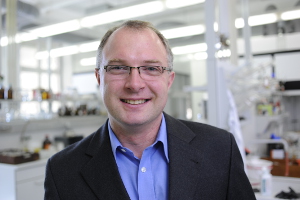
Prof. Dr. Markus Heinrich
Professorship for Medicinal Chemistry
Address
Contact
Section
Pharmaceutical Chemistry
Research areas
Bioactive compounds: Compound discovery
Structure-based drug design
Lead compound optimization
Molecular materials: Life science
Development of new drug candidates and diagnostics for cancer therapy
Molecular materials: Sustainability
FAU Expired Drug Initiative (FAU EDI) to support research, teaching amd environmental monitoring in Europe
Catalyst-free photoinduced radical reactions
Member of:
Prof. Dr. Andreas Hirsch
Chair of Organic Chemistry II
Address
Contact
Section
Organic Chemistry
Research areas
Molecular materials: Energy
Organic materials for energy storage
Molecular materials: Information
Multistate switches for information storage
Member of:
Prof. Dr. Petra Imhof
Professorship for Computational Chemistry
Address
Contact
Section
Theoretical and Computer Chemistry
Research Area
Bioactive compounds: Compound discovery
Characterisation, optimisation, and rational design and optimisation of drug and pro-drug molecules
Bioactive compounds: Mechanisms and targets
Elucidating of chemical reaction mechanisms
Enzymatic specificity
Protein-substrate interactions
Molecular materials: Information
Analysis of communication and information flow in macromolecules and molecular complexes
Molecular materials: Life science
Protein-Substrate interactions
DNA repair
Enzymatic specificity
Ion transport e.g. through membranes
Regulation and signal transduction in protein complexes
Member of:
apl. Prof. Dr. Norbert Jux
Faculty of Sciences
Address
Contact
Section
Organic Chemistry
Research areas
Molecular materials: Energy
Organic molecular materials for electron transfer processes (for solar cells etc.)
Expanded functional π-systems with unusal properties (panchromatic dyes, biradicaloids)
Molecular materials: Information
Functionalized porphyrins as sensors
Expanded functional π-systems with unusal properties (panchromatic dyes, biradicaloids)
Member of:
apl. Prof. Dr. Evgeny Kataev
FAU Competence Center Engineering of Advanced Materials (FAU EAM)
Address
Contact
Section
Organic Chemistry
Research areas
Molecular materials: Energy
Expanded functional π-systems, curved aromatics, red and NIR dyes
Self-assembly of dyes in a controlled manner (for solar cells, FET, OLED etc.)
Molecular materials: Information
Redox-active conjugated π-systems
Molecular materials: Life science
Supramolecular recognition of nucleotides, DNA, and RNA
Supramolecular approaches for affecting protein-protein and DNA-protein interactions
Molecular materials: Sustainability
Light-driven photocatalysis in confined space
Fluorescent probes for environmental parameters
Member of:
PD Dr. Marat Khusniyarov
Faculty of Sciences
Contact
Section
Inorganic Chemistry
Research areas
Molecular materials: Information
Molecular switches
Molecular materials: Sustainability
Photoswitchable catalysts
Chemosensors
Prof. Dr. Jörg Libuda
Chair of Interface Research and Catalysis
Address
Contact
Section
Physical Chemistry
Research Area
Molecular materials: Energy
Mechanisms & microkinetics
Model catalysis & model electrocatalysis
Molecular materials: Information
Photoswitches at interfaces
Novel semiconductors, growth mechanisms
Molecular materials: Sustainability
Interface chemistry & interface reactions
In-situ and operando studies
Member of:
Erlangen Center for Interface Research and Catalysis (ECRC)
FAU Competence Center Engineering of Advanced Materials (FAU EAM)
FAU Profile Center New Materials and Processes (FAU NMP)
FOR 1878: Functional Molecular Structures on Complex Oxide Surfaces (funCOS)
FOR 5499: Molecular Solar Energy Management Chemistry of MOST systems (FOR MOST)
Interdisciplinary Center for Interface-Controlled Processes (ICICP)

PD Dr. habil. Helene Loos
Chair of Aroma and Smell Research
Address
Contact
Section
Food Chemistry
Research areas
Bioactive compounds: Bioanalytics
Sensory and instrumental analysis of volatiles and odorants in food, plant and animal materials, and human speciment (urine, milk, sweat, sebum)
One- and two-dimensional gas chromatography-mass spectrometry/olfactometry
Targeted and untargeted analysis
Bioactive compounds: Compound discovery
Elucidation of semiochemicals and chemical communication processes
Identification of natural products, with a focus on volatile and odor-active substances from plant material and body fluids
Bioactive compounds: Formulation
Elucidation of semiochemicals and chemical communication processes
Identification of natural products, with a focus on volatile and odor-active substances from plant material and body fluids
Bioactive compounds: Mechanisms and targets
Uptake, biotransformation and excretion of substances by the human body
Understanding of peripheral mechanisms of olfactory perception
Sensory evaluation and structure-activity-relationships
Member of:
Dr. Florian Maier
Chair of Physical Chemistry II
Address
Contact
Section
Physical Chemistry
Research areas
Molecular materials: Energy
Ionic liquid interface properties and reactions
Molecular materials: Sustainability
New catalyst concepts (vacuum/gas-liquid-solid-interfaces: SILP, SCILL)
Prof. Dr. Karl Mandel
Chair of Particle-Based Materials Chemistry
Address
Contact
Section
Materials Chemistry
Research areas
Molecular materials: Energy
Multifunctional supraparticles for (photo-)(electro-)catylsis
Molecular materials: Information
Supraparticles with an identity (“ID”)
Recorder and sensor supraparticles
Communicating supraparticles
Molecular materials: Sustainability
Triggerable supraparticles for debonding on demand
Design for recycling via information and reversiblity in materials
Adsorbers for water- and air purification
Member of:
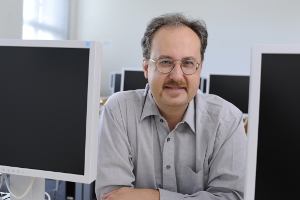
Prof. Dr. Bernd Meyer
Professorship for Computational Chemistry
Address
Contact
Section
Theoretical and Computational Chemistry
Research areas
Molecular materials: Energy
Novel materials for electro-mechanical and electro-optical energy conversion
Chemical processes at battery electrodes
Molecular materials: Information
Machine learning of atomic interactions for material design
Computational database for the search of novel defect-tolerant solar cell materials
Molecular materials: Sustainability
Lifetime of solid lubricants
Chemical processes in fracture mechanics
Member of:
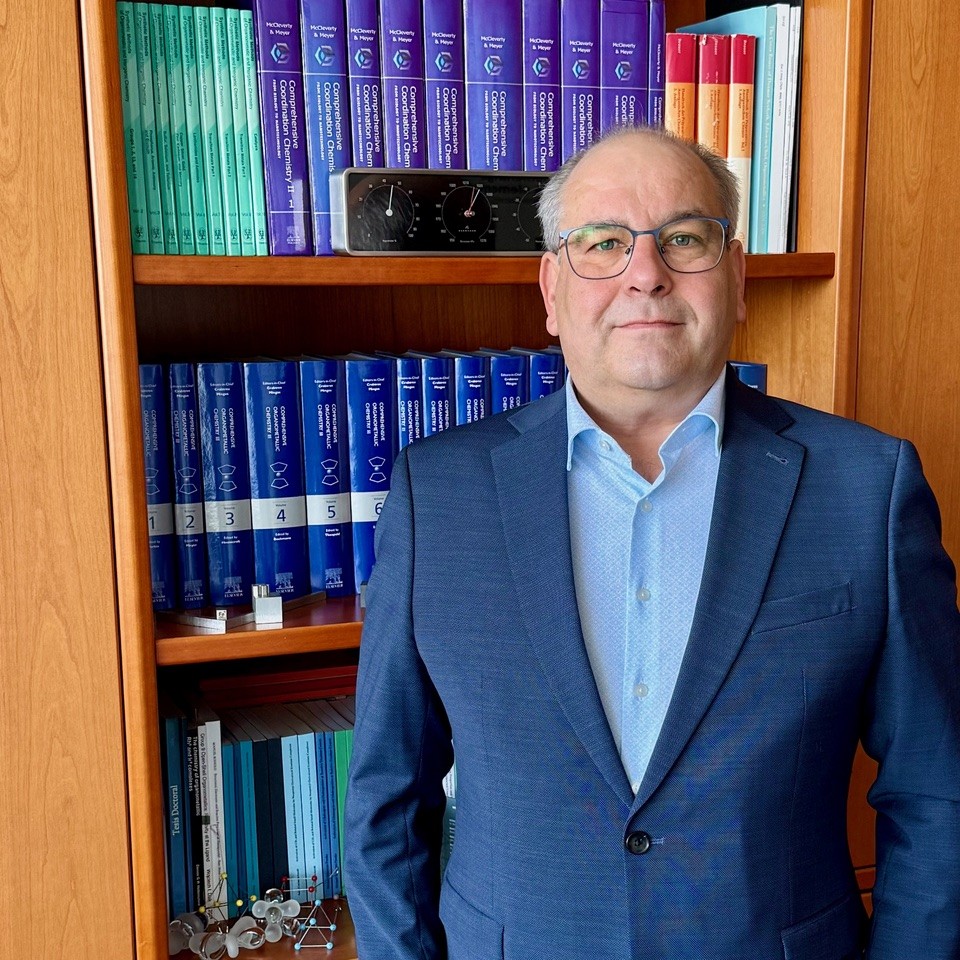
Prof. Dr. Karsten Meyer
Chair of Inorganic and General Chemistry
Address
Contact
Section
Inorganic Chemistry
Research areas
Molecular materials: Energy
Molecular basis for energy conversion
Metal-mediated electrocatalytic production of hydrogen from water
Development of uranium-based redox-flow batteries
Molecular materials: Information
Electronic structures of coordination complexes
Spectroscopic, magnetic and computational analyses of coordination complexes
Molecular materials: Sustainability
(Electro-) catalysis at liquid interfaces
Small molecule activation (N2, O2, NOx, COx, H2O) at reactive uranium, lanthanide and d-block transition metal complexes
Member of:
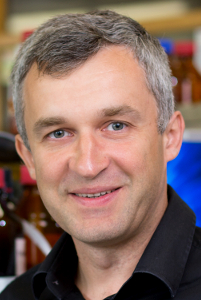
Prof. Dr. Andriy Mokhir
Professorship for Organic Chemistry
Address
Contact
Section
Organic Chemistry
Research areas
Bioactive compounds: Bioanalytics
Detection of reactive oxygen species in vitro and in vivo
Monitoring redox status in vitro and in vivo using fluorescent probes
Bioactive compounds: Compound discovery
Drug discovery: cancer, autoimmune diseases, infections
Bioactive compounds: Mechanisms and targets
Targeting intracellular organelles in cancer cells
Molecular materials: Life Science
Chemistry in living cells
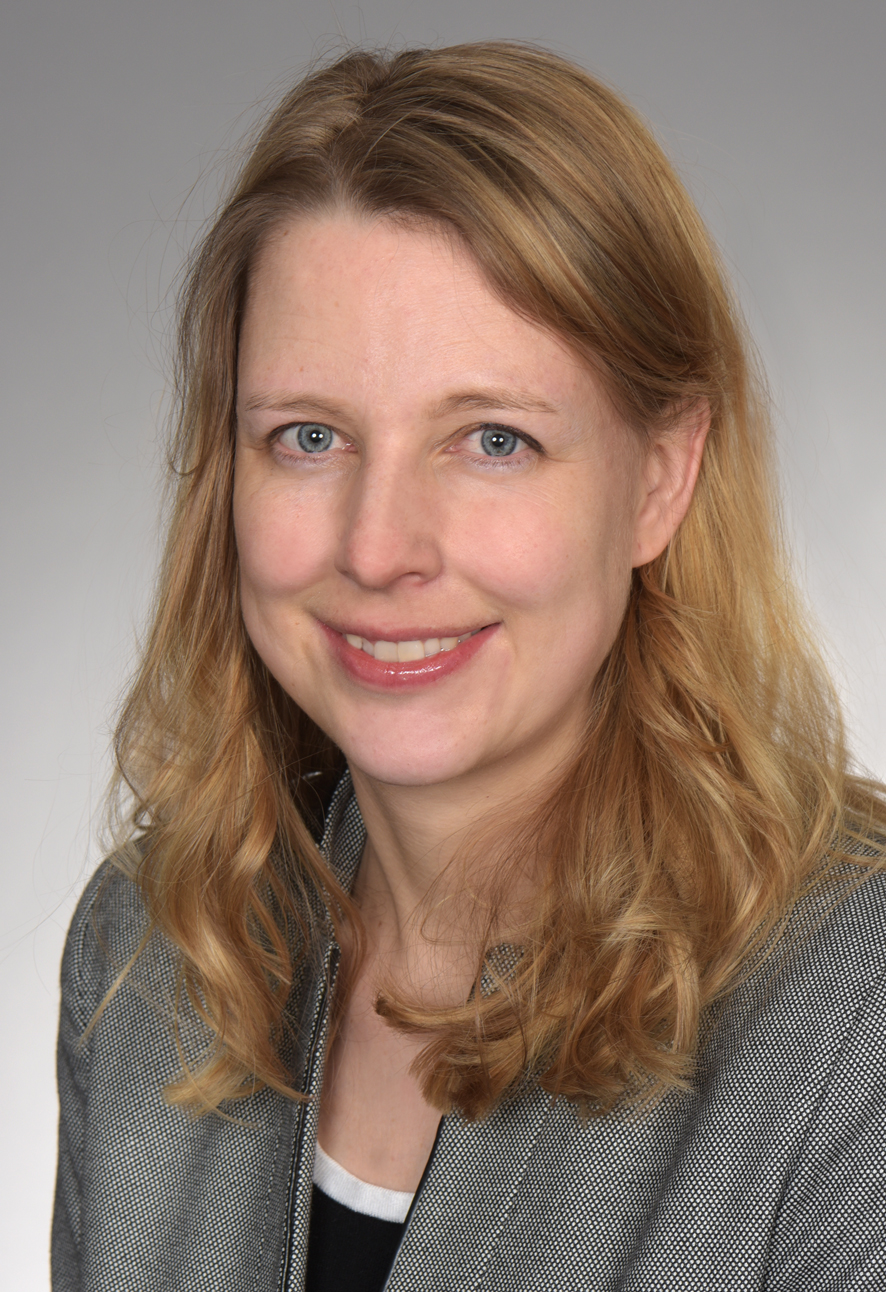
Prof. Dr. Susanne Mühlich
Professorship for Molecular and Clinical Pharmacy
Contact
Section
Pharmaceutical Technology and Biopharmacy
Research areas
Bioactive compounds: Bioanalytics
Cell analyses (protein, real-time analyses, gene expression analyses, binding affinity)
Imaging/microscopy
Bioactive compounds: Compound discovery
Lead compound optimization in vitro
Bioactive compounds: Mechanisms and targets
Identification of novel drug targets for tumor therapy
Elucidation of molecular mechanisms underlying tumor formation
Molecular materials: Life Science
Identifying biological markers for prevention, early diagnosis and treatment of cancer
Member of:

Prof. Dr. Carolin Müller
Professorship for the Theory of Excited Electronic States
Address
Contact
Section
Theoretical and Computer Chemistry
Research areas
Molecular Materials: Energy
Molecular and material modeling for solar energy conversion
Modeling excited-state processes and reactions triggered by light absorption or energy transfer
Molecular Materials: Information
Creation of computational chemistry databases
Machine learning for molecular and material design
Molecular Materials: Sustainability
Efficient workflows for predicting photoinduced processes and reactions
Member of:
Prof. Dr. Siow Woon Ng
Chair of Physical Chemistry II
Address
Contact
Section
Materials Chemistry
Research areas
Molecular materials: Energy
Deposition of thin films and coatings
Additive manufacturing
Photo and electrocatalysis for energy conversion
Solid-liquid surface and interface reactions
Molecular materials: Sustainability
Recycling of plastics for additive manufacturing
Member of:
Dr. Maria Eugenia Perez-Ojeda Rodriguez
Chair of Organic Chemistry II
Address
Contact
Section
Organic Chemistry
Research areas
Molecular materials: Energy
Chromophores for energy conversion
Carbon nanostructures for energy conversion
Automated synthesis of semiconductor for solar materials discovery
Thermodynamic evaluation of supramolecular systems
Molecular materials: Information
Supramolecular receptors
Chiral recognition / transfer
Responsive materials
Member of:
Prof. Dr. Monika Pischetsrieder
Chair of Food Chemistry (Henriette Schmidt-Burkhardt Chair)
Address
Contact
Section
Food Chemistry
Research areas
Bioactive compounds: Bioanalytics
Untargeted protein profiling of foods by microLC coupled high resolution mass spectrometry (timsTOF Pro microLC-MS/MS)
Food profiling for authencity control
Food profiling for quality control
Targeted food analysis by UHPLC-/microLC QTRAP MS/MS
Bioactive compounds: Compound discovery
Neurotrition – Neuroactive food components
Bioactive peptides in food
Bioactive compounds: Mechanisms and targets
Neurotrion – Interaction of food and brain function
Bioactivity of peptides in food
Cellular proteomics
Member of:
Prof. Dr. Jürgen Schatz
Professorship for Organic Chemistry
Address
Contact
Section
Organic Chemistry
Research areas
Bioactive compounds: Compound discovery
Bioorthogonal chemistry in aqueous and/or physiological media
Molecular materials: Information
Organic dyes as sensors and receptors
Molecular materials: Sustainability
Supramolecular systems as catalysts and enzyme mimicks
Green Chemistry in water as as environmetally friendly solvent
Member of:
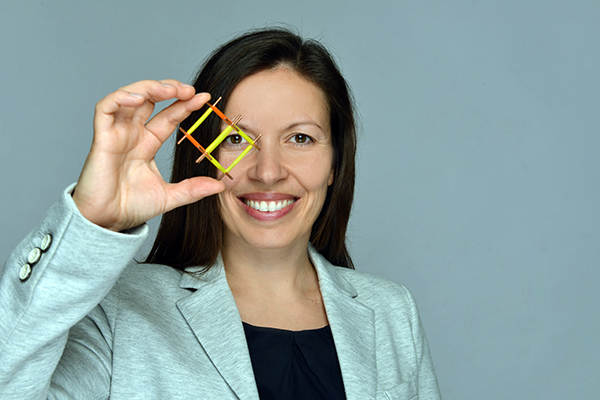
Prof. Dr. Ingrid Span
Professorship for Bioinorganic Chemistry
Address
Contact
Section
Inorganic Chemistry
Research areas
Molecular materials: Energy
Biological hydrogen production
Molecular materials: Sustainability
Enzymatic degradation of alkanes
Molecular materials: Life science
Structure determination of biomolecules
Roles of metals in biology
Bioactive compounds: Mechanisms and targets
DNAzymes as antiviral agents
Iron-sulfur proteins as drug targets
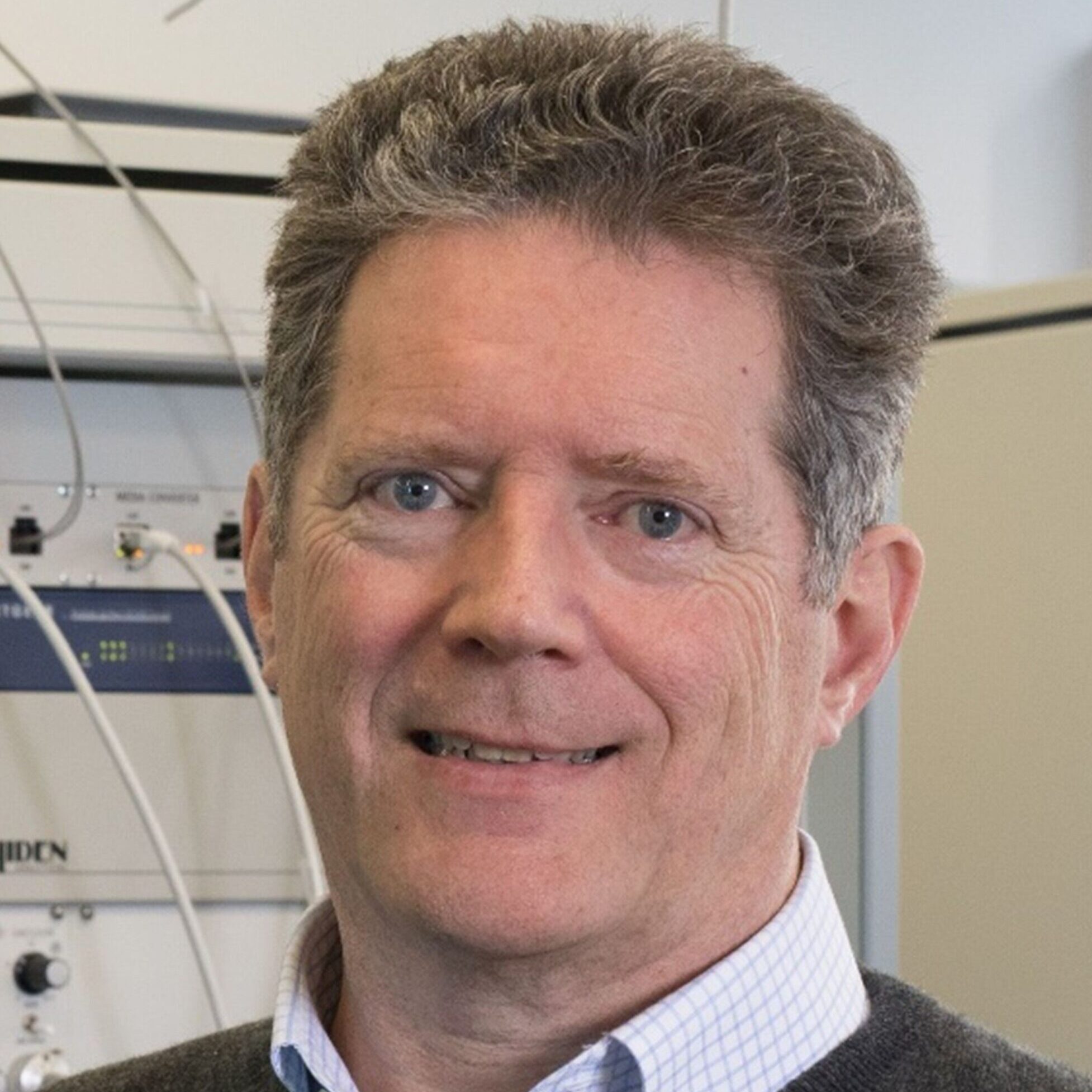
Prof. Dr. Dr. h.c. Hans-Peter Steinrück
Chair of Physical Chemistry II
Address
Contact
Section
Physical Chemistry
Research areas
Molecular materials: Energy
Chemical energy storage (LOHC and MOST systems)
Molecular materials: Information
Planar carbon lattices, 2D materials, porphyrin chemistry
Molecular materials: Sustainability
New catalyst concepts (solid-liquid-interfaces: SILP, SCILL, SCALMS)
Member of:
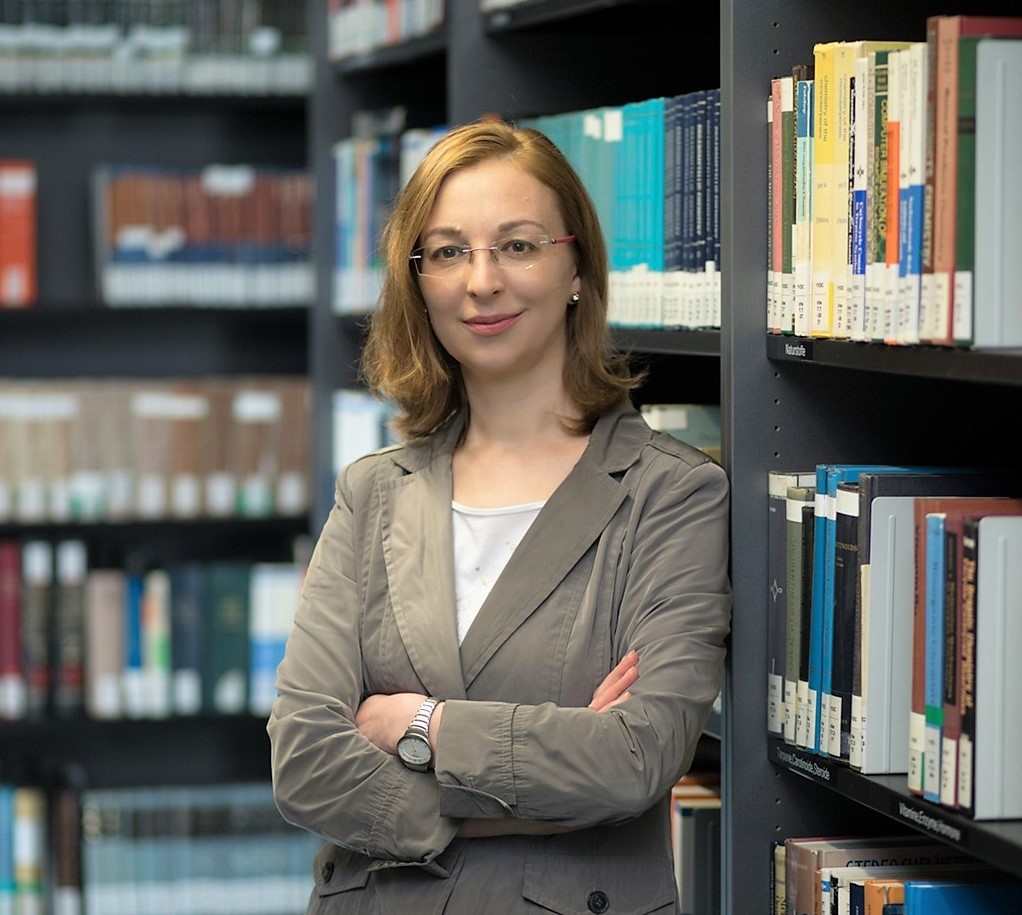
Prof. Dr. Svetlana Tsogoeva
Professorship for Organic Chemistry
Address
Contact
Section
Organic Chemistry
Research areas
Bioactive compounds: Compound discovery
Antiviral and anticancer PROTACs and prodrugs
Phenotypic and target-based drug discovery
Molecular materials: Life science
Drug development for multidrug resistance
Natural product hybrids for medicinal chemistry
Molecular materials: Sustainability
Organophotocatalyzed domino reactions
Electroorganic synthesis of heterocycles
Member of:
Prof. Dr. Dirk Zahn
Professorship for Theoretical Chemistry
Address
Contact
Section
Theoretical & Computational Chemistry
Research areas
Bioactive compounds: Compound discovery
Protein-ligand docking, molecular recognition
Bioactive compounds: Formulation
drug formulation & delivery
Molecular materials: Energy
Molecular and material modeling for solar energy conversion
Nanoparticles, surfaces/film and porous materials for (electro-)catalysis
Molecular materials: Information
molecular photoswitches
switchable surfaces, sensors
Molecular materials: Life science
Molecular aggregation, self-organization
Protein-ligand docking, molecular recognition
Molecular materials: Sustainability
Self-organizing and self-healing materials, catalyst concepts (SILP, SCILL, SCALMS)
Water cleaning by magnetic nanoparticles