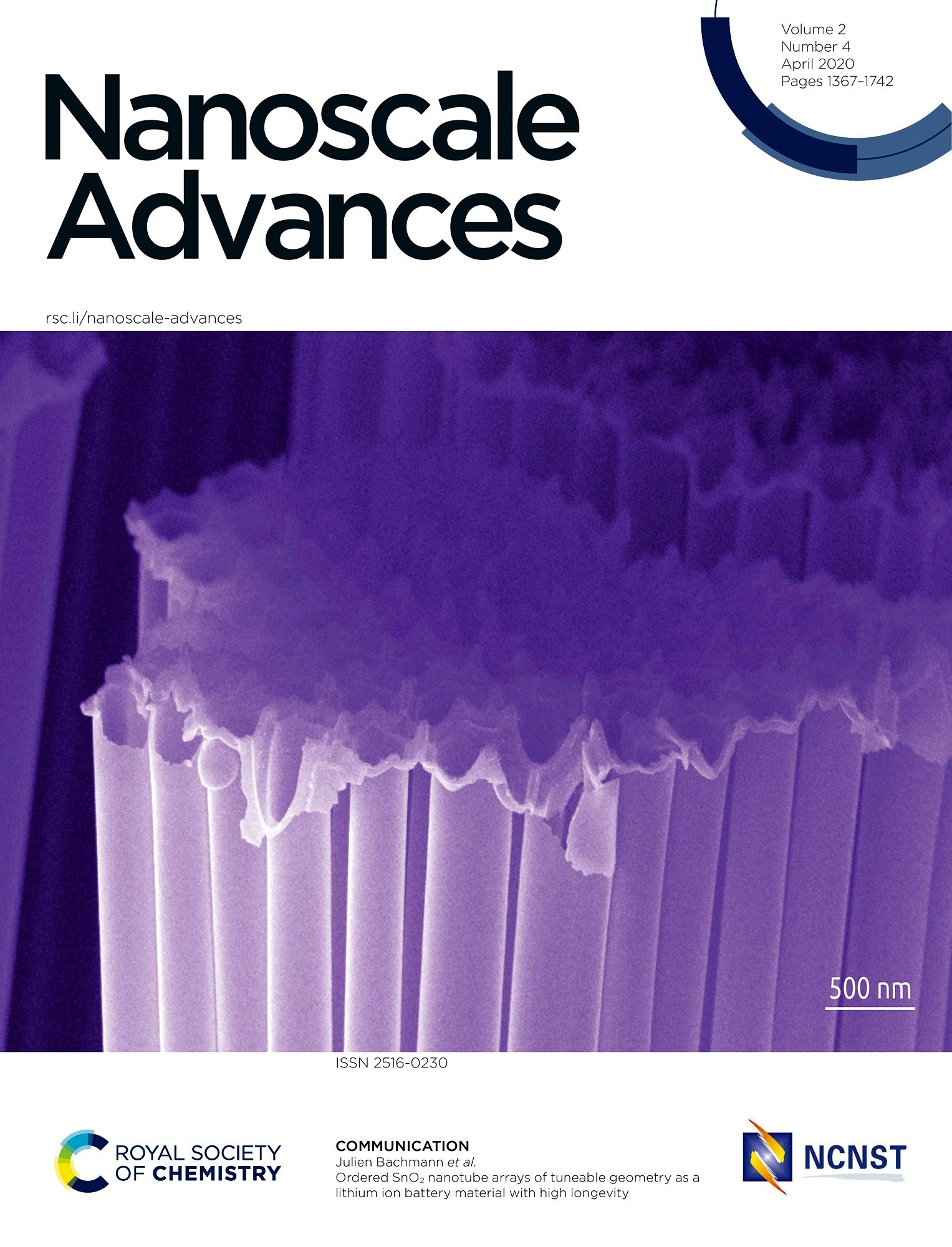
We develop chemical interface engineering methods for green energy conversion applications
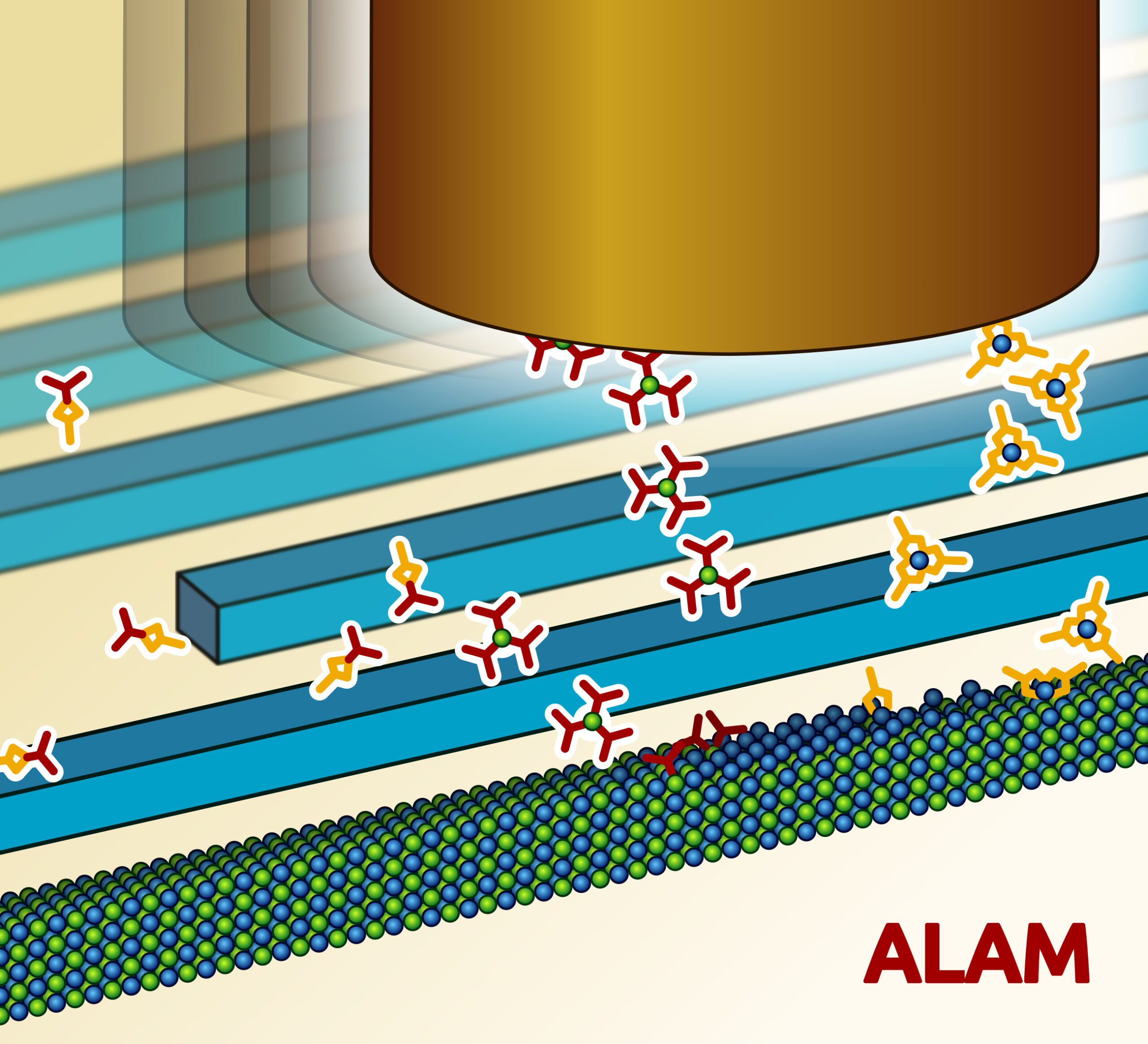
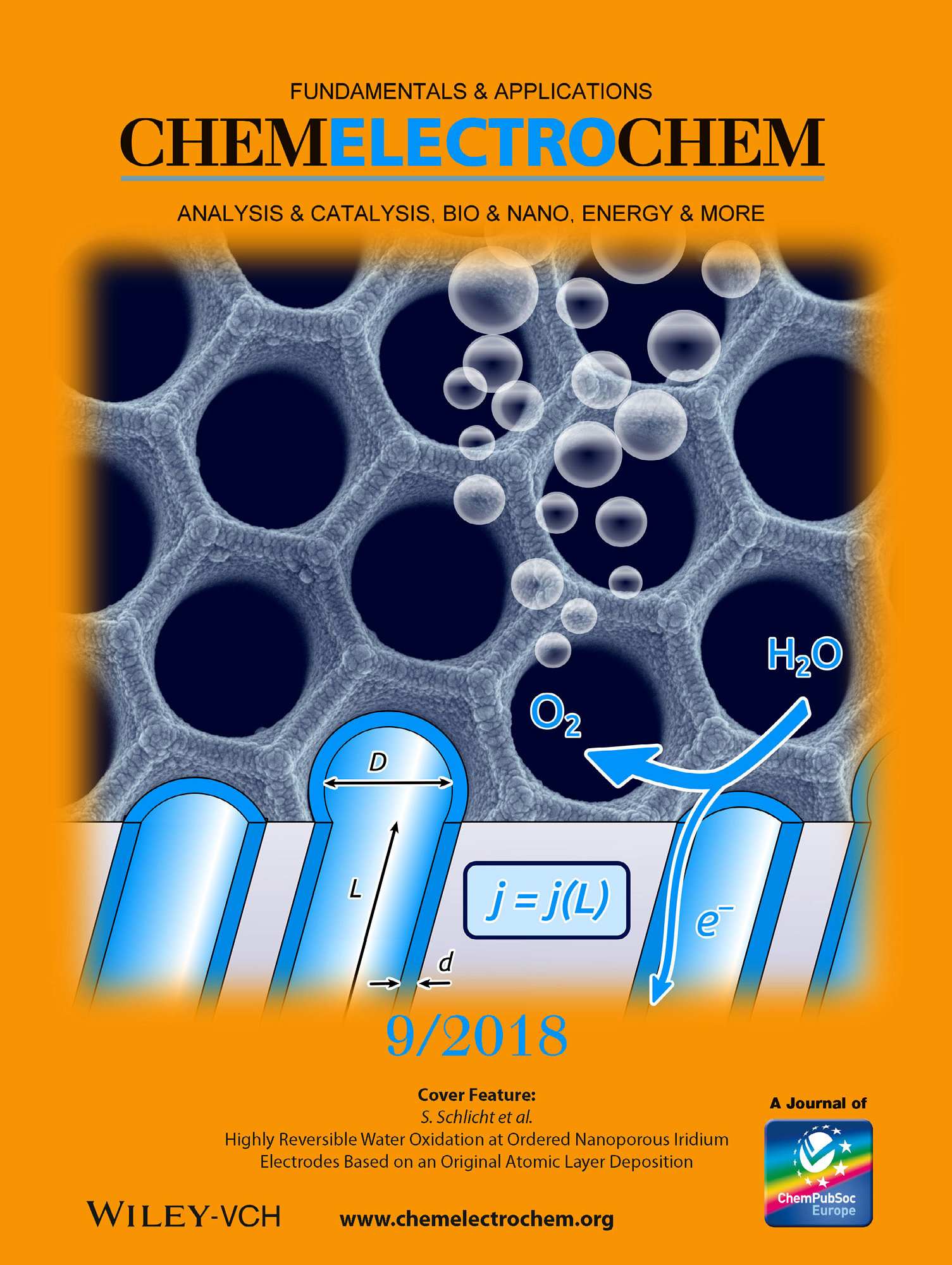
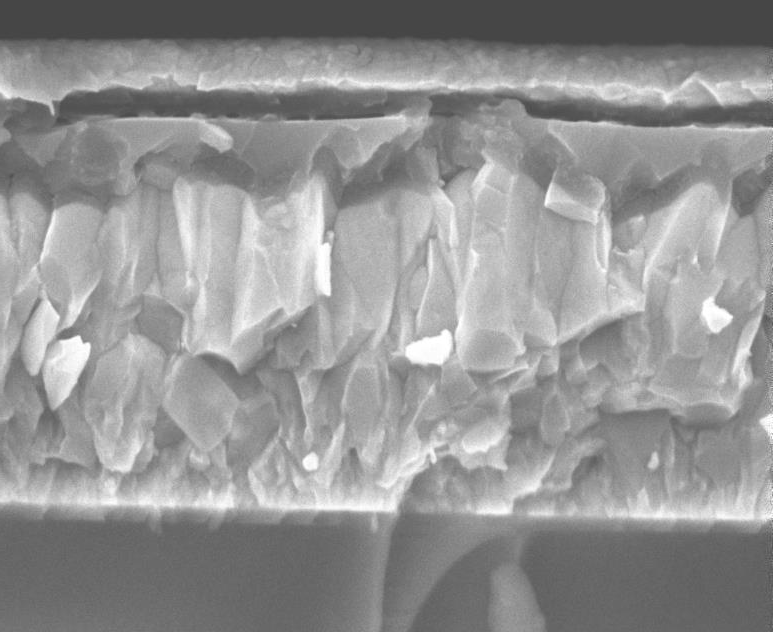
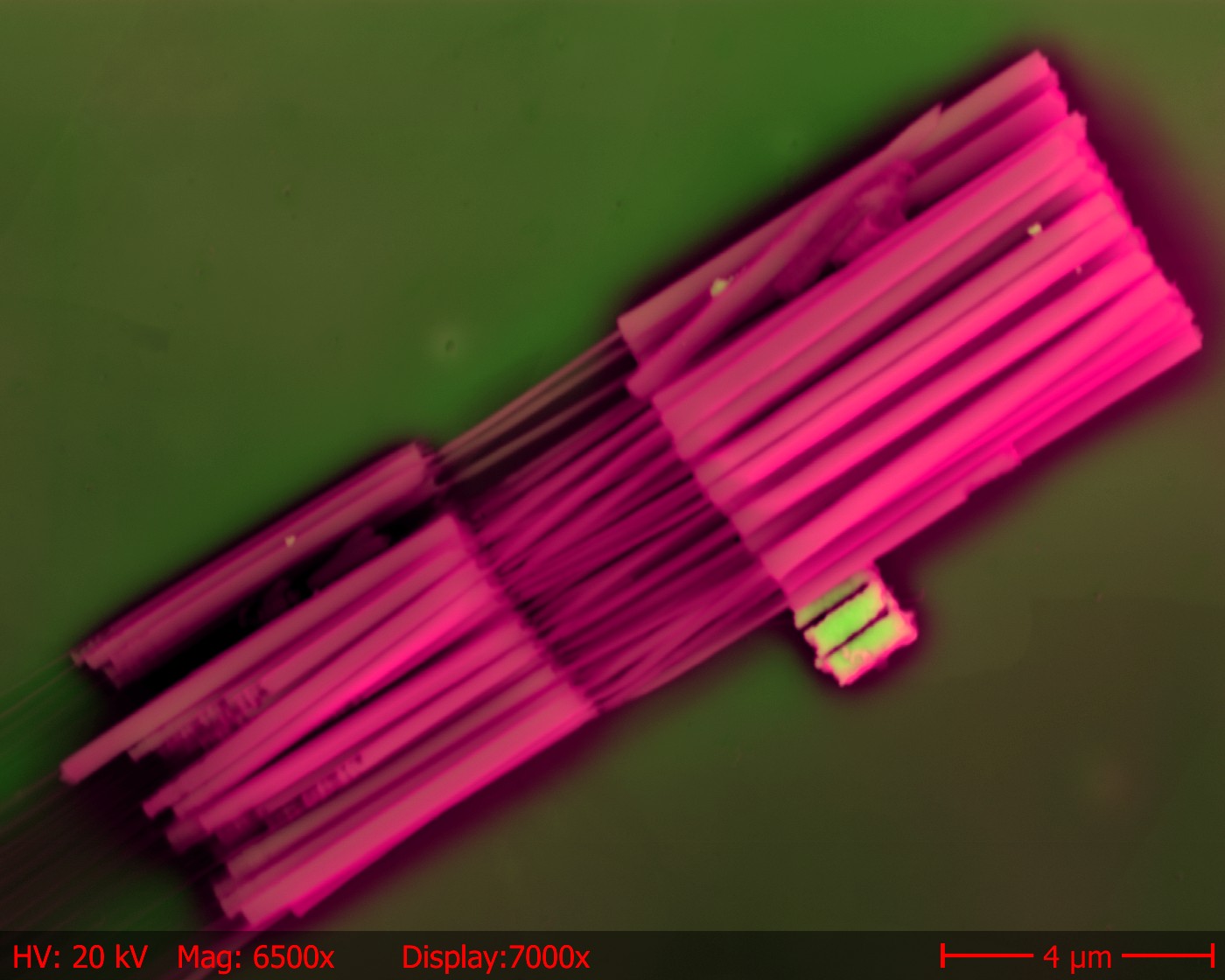
Energy conversion between its light, electrical, and chemical forms always entails the transfer of charge carriers at interfaces as the crucial step. Here, “the interface is the device” — in stark contrast to the bulk amounts of materials traditionally utilized in classical energy conversion devices. Therefore, smart engineering of interfaces enables one to minimize the utilization of expensive, highly purified, rare, or toxic materials. In fact, we contend that we can even replace those materials with inexpensive, abundant, innocuous ones using a combination of interface nanostructuring (on the scale of 20 to 5000 nm) and interface functionalization by ultrathin coatings (on the scale of 0.5 to 50 nm). To achieve the level of control required, we develop chemical nanostructuring methods based mostly on atomic layer deposition (ALD) and electrochemistry. We then implement them towards devices, the functional performance of which depends on the degree of perfection achieved preparatively.

A significant fraction of our research is currently funded by the German National Science Foundation (DFG) within the Collaborative Research Center ‘ChemPrint‘ (CRC1719), which Julien leads as its spokesperson.